
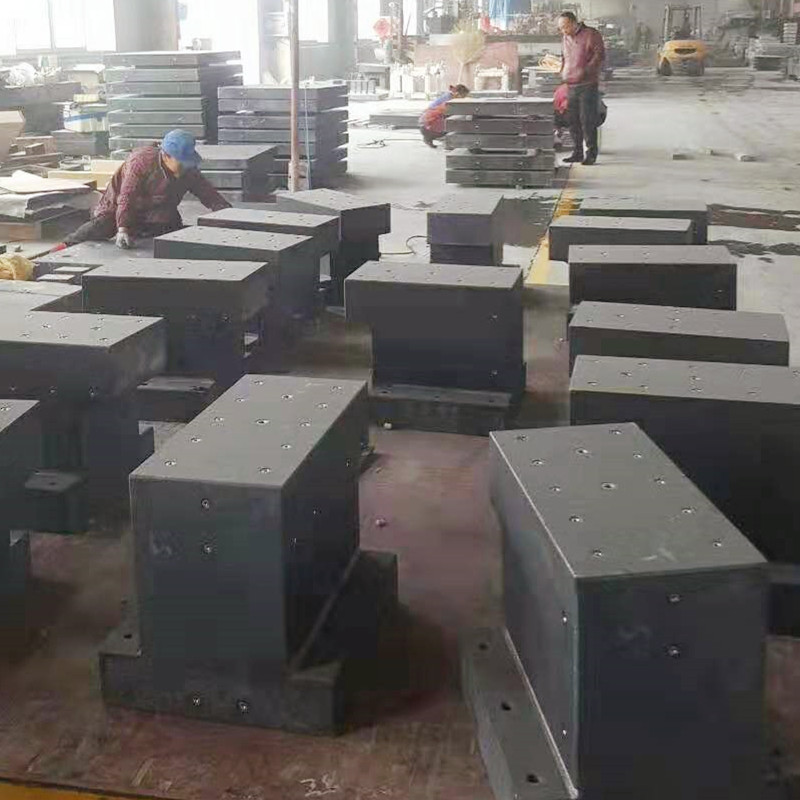
translucent sheet for glass
Level Factory A Cutting-Edge Approach to Optimizing Manufacturing Processes In an era defined by rapid technological advancements and increasing competition, manufacturers are continually seeking innovative solutions to optimize their production processes. One such solution is the concept of a Level Factory. This strategic approach leverages a combination of advanced technologies, lean manufacturing principles, and a focus on continuous improvement to enhance efficiency, improve product quality, and reduce waste. Understanding the Level Factory Concept At its core, a Level Factory refers to a production environment where processes are standardized and harmonized to achieve a consistent flow of goods. The goal is to create a balanced system where production rates are synchronized with demand, reducing fluctuations that can lead to overproduction or underutilization of resources. This alignment not only improves efficiency but also enhances the overall responsiveness of the manufacturing operation. The concept is heavily influenced by lean manufacturing principles, which emphasize the elimination of waste in all forms. In a Level Factory, waste is identified and addressed systematically, whether it’s excess inventory, unnecessary movement, or waiting times. By creating a more streamlined production process, manufacturers can achieve higher throughput without compromising quality. The Role of Technology Embracing technology is a crucial aspect of establishing a Level Factory. Advanced manufacturing technologies such as automation, robotics, and data analytics play a significant role in optimizing production processes. Automated systems can perform repetitive tasks with precision, reducing the likelihood of human error and increasing output rates. Additionally, the integration of Internet of Things (IoT) devices allows for real-time monitoring of equipment and processes, enabling manufacturers to identify bottlenecks and optimize operations on-the-fly. Data analytics also provides valuable insights into production trends and performance metrics. By analyzing historical data, manufacturers can make informed decisions about resource allocation, maintenance schedules, and production planning. This data-driven approach ensures that operations remain agile and adaptable to changing market demands. level factory Continuous Improvement Culture Another critical aspect of the Level Factory model is the emphasis on a culture of continuous improvement. Employees are encouraged to identify inefficiencies and propose solutions. This empowerment fosters a sense of ownership and accountability among team members, leading to innovative ideas that can drive process enhancements. Techniques such as Kaizen, which focuses on small, incremental changes, can be employed to cultivate this culture. Regular training programs ensure that all team members are equipped with the skills needed to contribute to the factory's optimization efforts. By investing in employee development, manufacturers not only enhance their workforce's capabilities but also boost morale and job satisfaction. A motivated team is more likely to buy into the company's vision and strive for excellence. Sustainability and Social Responsibility The Level Factory approach also aligns with the growing emphasis on sustainability and social responsibility in manufacturing. By minimizing waste and optimizing resource utilization, manufacturers can significantly reduce their environmental impact. Furthermore, a Level Factory can implement practices that promote ethical labor standards and community involvement, contributing to a positive corporate image. Consumers are increasingly inclined to support brands that prioritize sustainability and ethical practices. By adopting a Level Factory model, manufacturers can not only enhance their operational efficiency but also meet the rising expectations of socially conscious consumers. Conclusion The Level Factory represents a transformative approach to modern manufacturing. By integrating advanced technologies, fostering a culture of continuous improvement, and prioritizing sustainability, manufacturers can achieve significant gains in efficiency and product quality. In a dynamic market landscape, the ability to adapt swiftly to changing demands while minimizing waste is a competitive advantage that no manufacturer can afford to overlook. As the industry continues to evolve, embracing the principles of the Level Factory will undoubtedly be a critical factor in achieving long-term success.
about
translucent sheet for glass
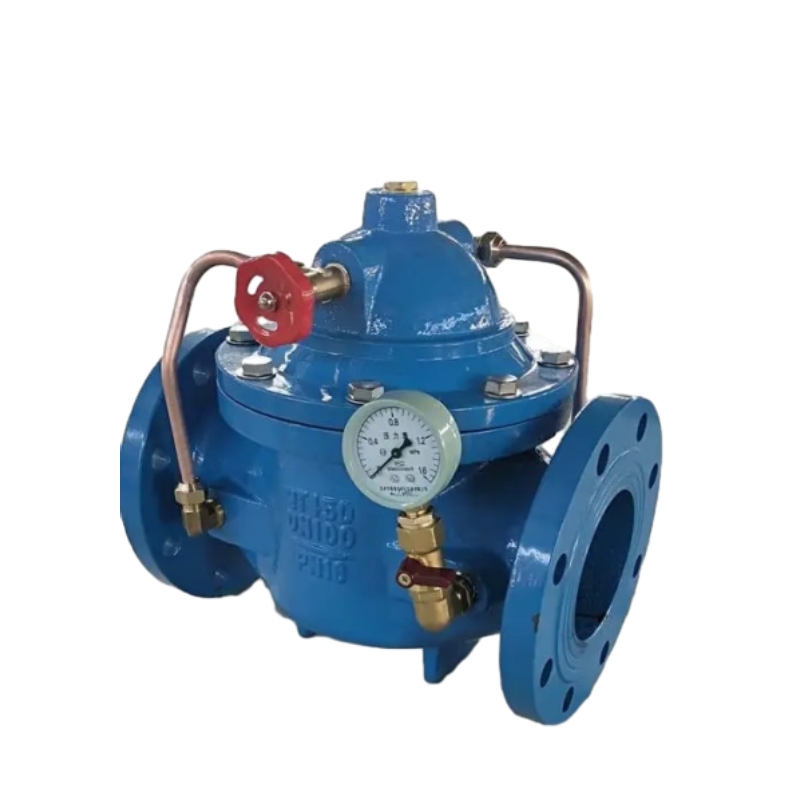
Water valves play a crucial role in controlling the flow and direction of water in various applications, ranging from residential plumbing systems to large-scale industrial setups. Understanding the different types of water valves is essential for selecting the right one for a specific application. Here’s an insightful guide to some of the most common types of water valves, their uses, and how they align with industry standards. Ball valves are known for their durability and reliability in achieving a perfect shutoff. They use a rotatable ball with a bore to control the flow of water . Due to their simple construction and ease of operation, ball valves provide a leak-proof seal, making them ideal for residential and commercial plumbing systems where a tight shut-off is necessary. Their primary advantage lies in their fast operation, requiring only a quarter-turn to open or close. Gate valves, often referred to as sluice valves, are primarily used when a straight-line flow of fluid and minimum restriction is desired. These valves operate by lifting a gate out of the path of the water. Gate valves are not typically used for flow regulation; they are either fully open or closed. They are prevalent in applications such as water supply systems where infrequent operation is expected. Globe valves are instrumental for applications requiring precise control over the flow rate. These valves are particularly suited for throttling purposes. The globe valve’s design allows it to regulate flow efficiently because the disc can be incrementally opened or closed. They are commonly found in wastewater plants and industries where maintaining a flow control is crucial. types of water valves Check valves, or one-way valves, are designed to prevent backflow and ensure that water flows in a single direction. These valves are automatic, operating based solely on the hydraulic pressure of the flow. Check valves are vital in applications like wastewater treatment facilities where reversing flow may cause system disruptions or contamination. Butterfly valves are widely used in systems requiring large pipe diameters. They are a type of quarter-turn valve and are considered space-efficient, offering excellent control capabilities within a compact design. Butterfly valves are suitable for applications that require fast operation and low-pressure drops, such as HVAC systems. Diaphragm valves are valued for their ability to prevent contamination within a piping system. Featuring a flexible diaphragm that presses against a seat to create a seal, these valves are especially beneficial for applications in food, beverage, and pharmaceutical industries where cleanliness and avoidance of cross-contamination are paramount. Each type of water valve has distinct characteristics suited to specific applications, influencing factors such as flow control, pressure handling, and reliability in operation. By thoroughly understanding these variances and considering the specific needs of their systems, professionals can make informed decisions that lead to enhanced performance, longevity, and safety. Investing time in selecting the right valve not only optimizes the system’s efficiency but also builds a foundation of trust with stakeholders and clients relying on expert advice for critical infrastructure decisions. This knowledge, coupled with adherence to industry standards, ensures that each application meets both regulatory obligations and functional demands.
-

High quality industrial productsagement

High quality industrial products
View Details -

Meet the diverse needs of customers

Meet the diverse needs of customers
View Details -

Strict quality control

Strict quality control
View Details -

Top raw materials

Top raw materials
View Details -

Trusted supplier

Trusted supplier
View Details
Our application

news and information
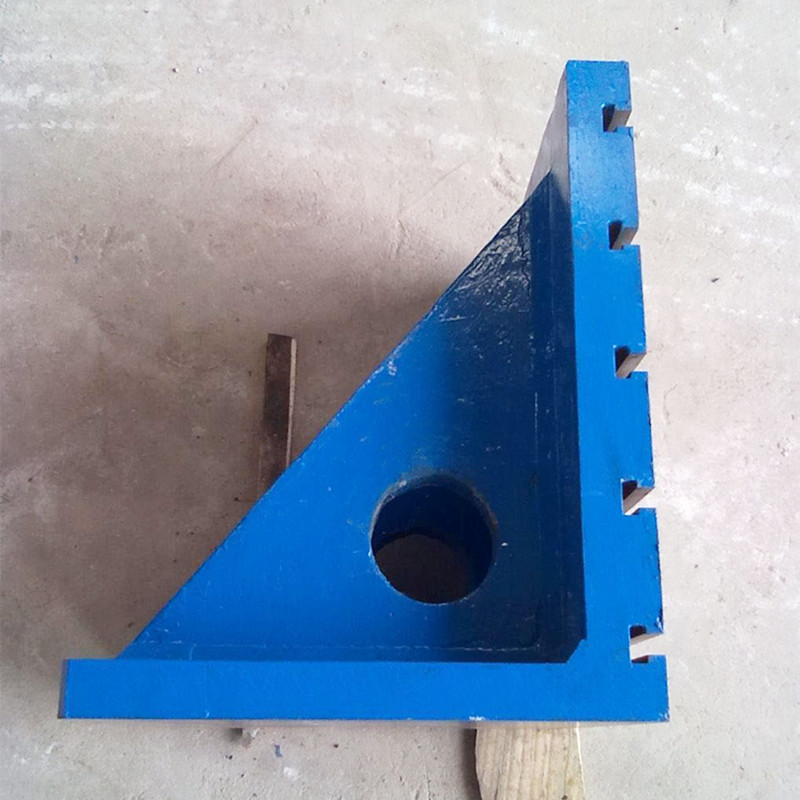
water valve which way is open
Understanding Water Valves Determining the Open Position Water valves play a crucial role in plumbin
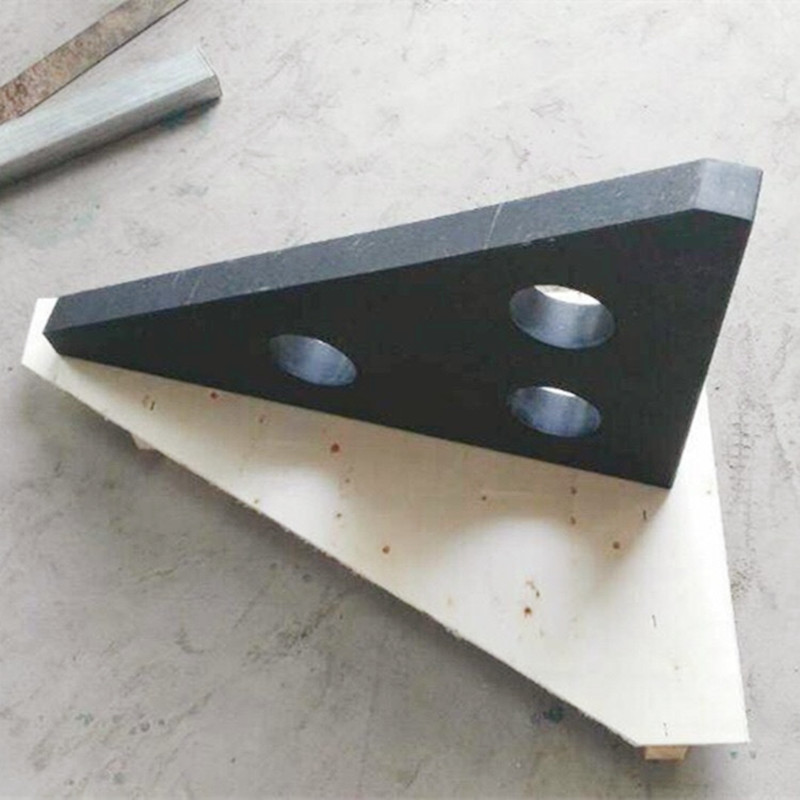
Water Line Valve - Essential Solutions for Efficient Water Management
Understanding Water Line Valves Key Components in Plumbing Systems Water line valves play a crucial
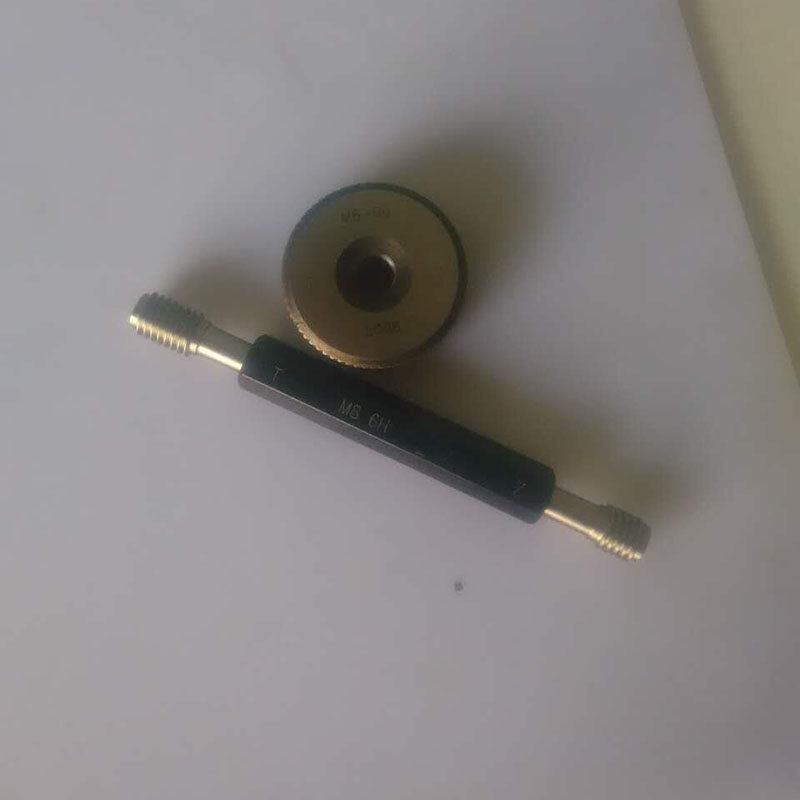
Water Hose Shutoff Valve for Efficient Water Control and Usage Management
The Importance of a Water Hose Shut-Off Valve When it comes to managing water flow in your garden or
 English